Our Team

Meet the dedicated researchers and scholars driving innovation in marine seaweed science.

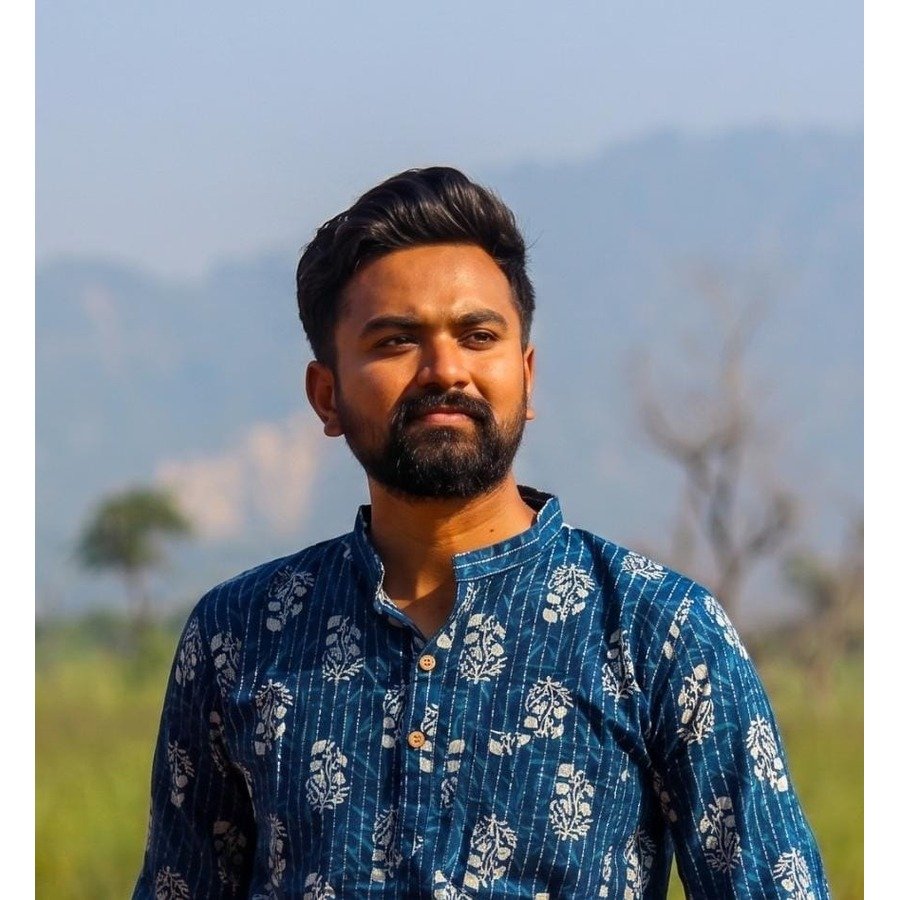
Dr. Digvijay Singh Yadav

Postdoctoral Fellow

Dr. Digvijay Singh Yadav is an algal biologist and currently a Postdoctoral Researcher at the CSIR-Central Salt and Marine Chemicals Research Institute (CSIR-CSMCRI). His work spans transport stress mitigation using seaweed-derived extracts, yield and regeneration enhancement through bio-effector pulse treatments in high-value agarophytes and carrageenophytes, and genomics and forecasting combining DNA barcoding with autoregressive time-series models to analyze three decades of global aquaculture trends. He works at the intersection of applied phycology and marine biotechnology to translate laboratory insights into eco-friendly, commercially viable solutions for coastal communities and sustainable bio-industries.

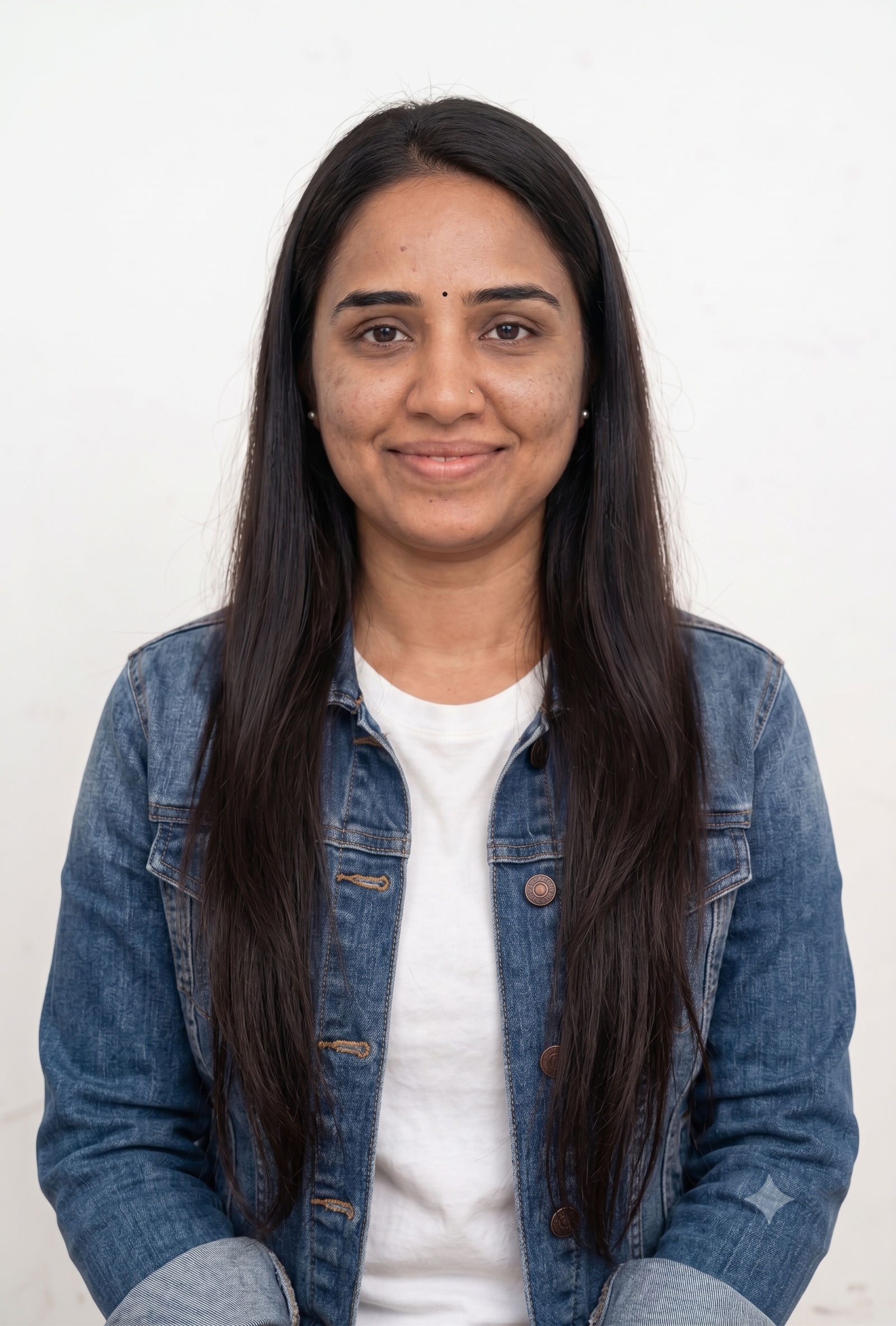
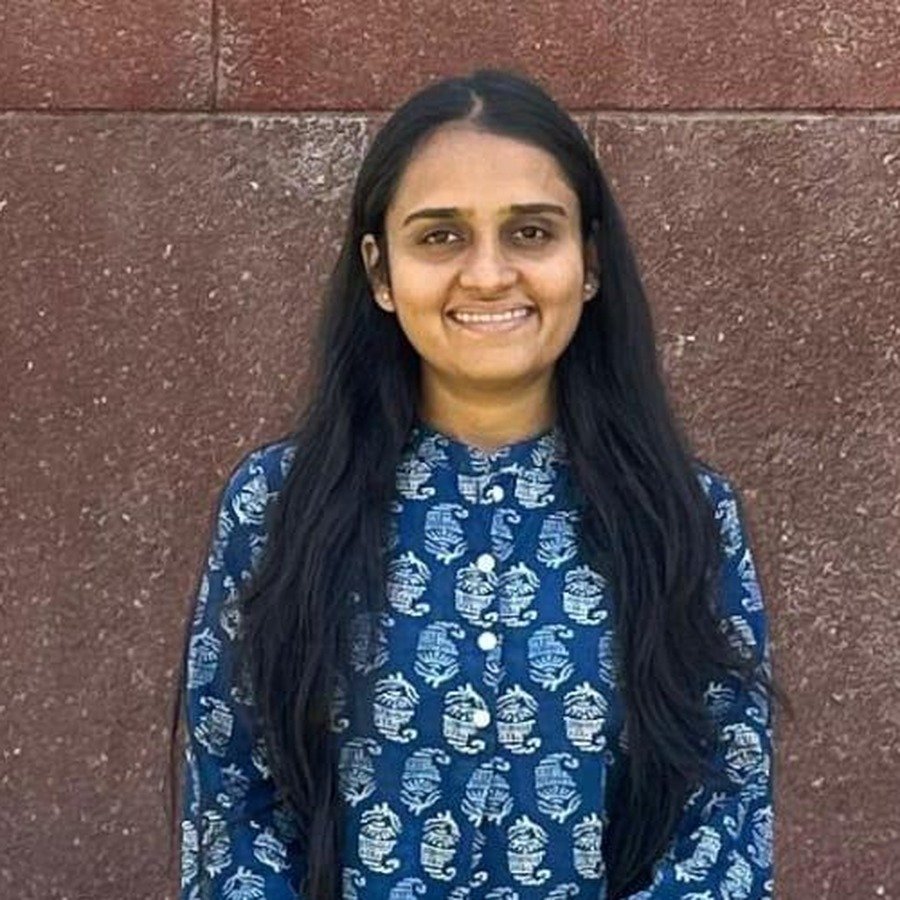
Dr. Khushbu Bhayani

Postdoctoral Fellow

Dr. Khushbu Bhayani is a microbiologist specializing in algal biotechnology and marine bioresources. Her doctoral research focused on the bioprospecting, extraction, characterization, and application of pigments derived from microalgae. Her current research interests include seaweed-based biomaterials, algal biopolymers, metabolomics, nano-biotechnology, seaweed-derived functional products, and sustainable valorisation of marine biomass with emphasis on innovative and environmentally sustainable approaches for the development of value-added marine bioresources.

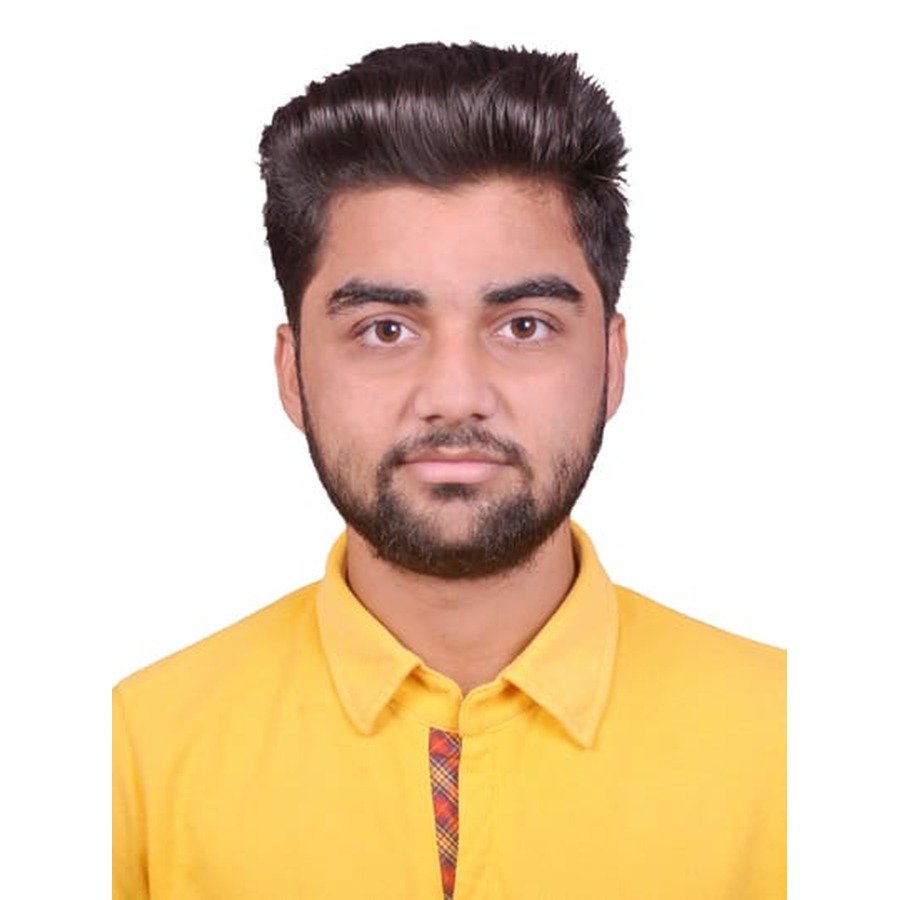
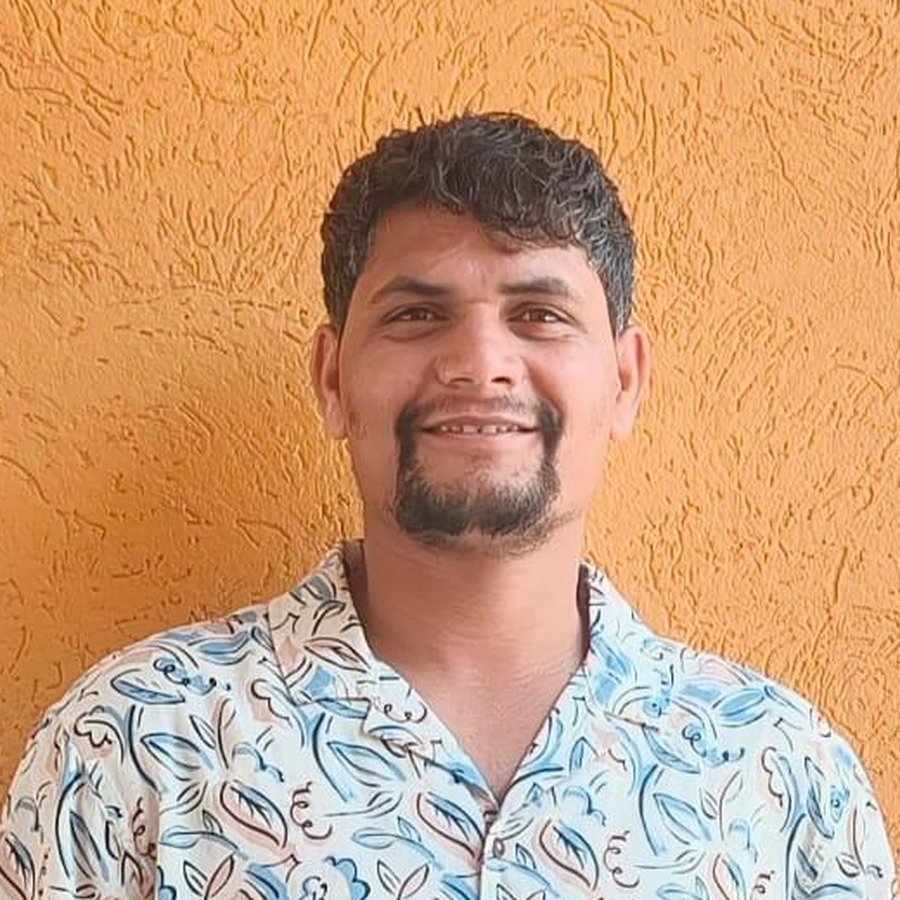
Bhavik Kantilal Bhagiya

Ph.D. Research Scholar

Bhavik Kantilal Bhagiya is a PhD scholar at the Academy of Scientific and Innovative Research (AcSIR), India, and a Project Associate at CSIR–CSMCRI, Bhavnagar. His research explores seaweed biology, sustainable aquaculture, and systems-level biology, integrating physiological, biochemical, and multi-omics approaches to investigate growth regulation, life-history phase transitions, and metabolic adaptation in economically important seaweeds. He is also involved in a national-scale project identifying potential seaweed cultivation locations across the Indian coastline and advancing seaweed valorization technologies.

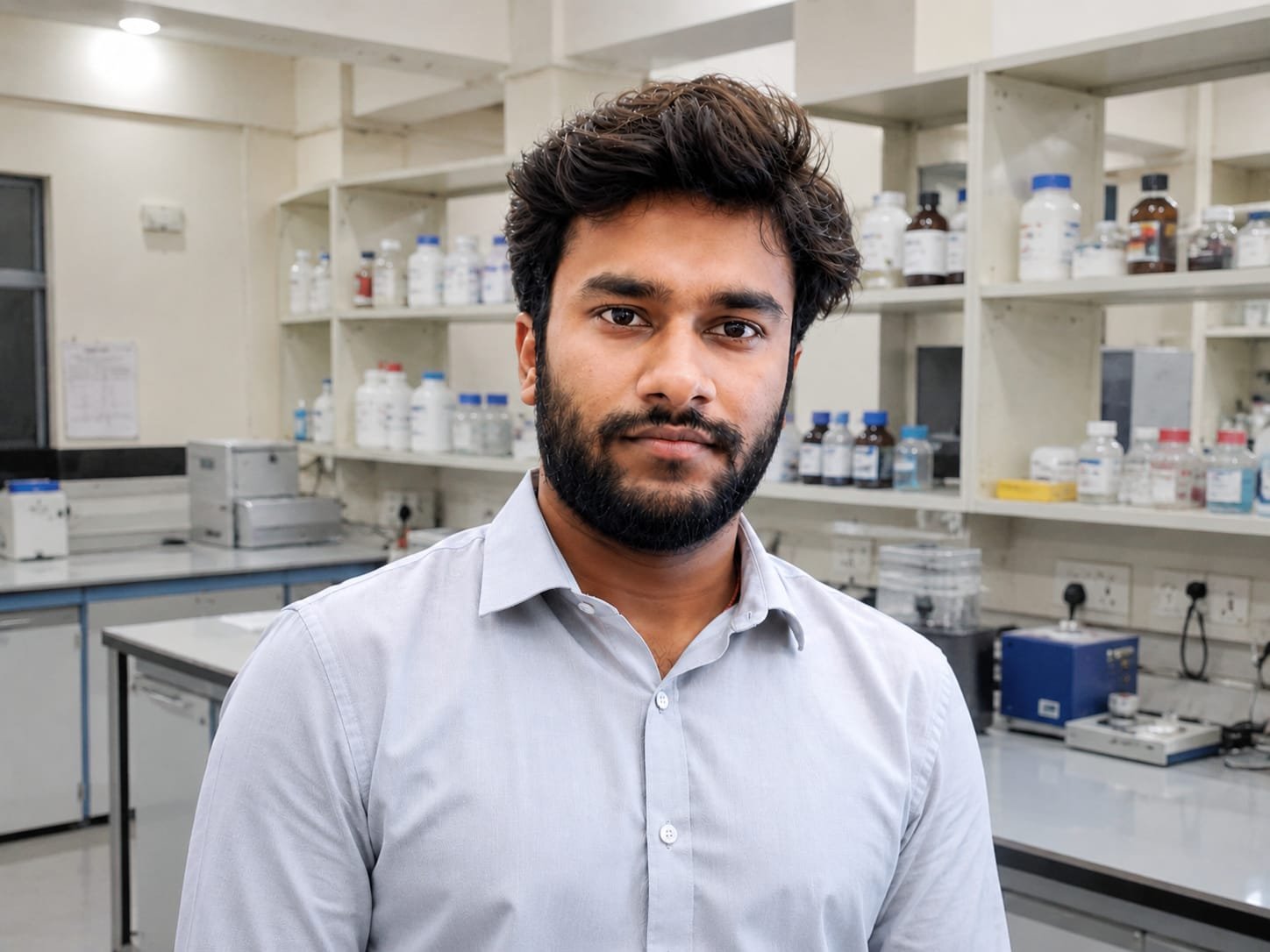
Bhagirath Rakhasiya

Ph.D. Research Scholar

Bhagirath Rakhasiya is a Project Associate-I at CSIR-CSMCRI, Bhavnagar, with over two years of research experience in seaweed biotechnology and marine bioresources. His research focuses on seaweed cultivation, bioprocessing, biochemical characterization, and development of value-added products from seaweed biomass. He has hands-on experience with molecular biology and advanced analytical techniques including ICP-MS, NMR, HPLC, FTIR, PXRD, SEM, E-nose, and E-tongue. He is currently pursuing an Integrated Dual Degree (M.Tech.–Ph.D.) in Biotechnology at AcSIR under the guidance of Dr. Vaibhav A. Mantri.

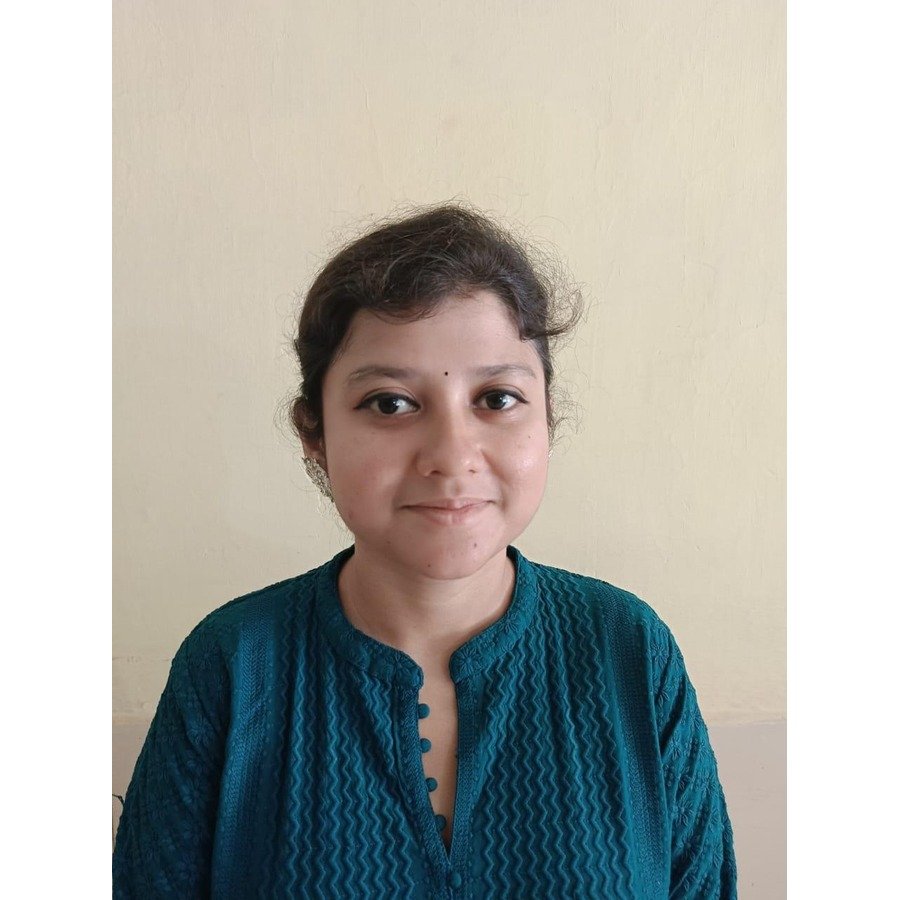
Isaimozhi V.

Ph.D. Research Scholar

Isaimozhi V. completed her Master’s degree in Marine Science from Bharathidasan University, Tamil Nadu. She is currently pursuing her Ph.D. through AcSIR at CSIR-CSMCRI, Marine Algal Research Station, Mandapam Camp, under the guidance of Dr. Vaibhav A. Mantri. She has experience in microalgal cultivation, biomass processing, and CO₂ sequestration. Her current research focuses on enhancing the protein quality and digestibility of potentially edible seaweeds through biological treatments, aimed at improving their nutritional value for potential use in functional food applications.

Abantika Majumder

Ph.D. Research Scholar

Abantika Majumder completed her M.Sc. in Marine Science from Bharathidasan University, India. She is currently a CSIR-Senior Research Fellow (Direct) at CSIR-CSMCRI, Marine Algal Research Station, Mandapam Camp, pursuing her Ph.D. through AcSIR. Her doctoral research focuses on the process development of tank-based cultivation technology for the edible green seaweed Ulva.

Arti Bhojani

Ph.D. Research Scholar

Arti Bhojani is a Ph.D. Research Scholar at CSIR-CSMCRI, Bhavnagar, Her research focuses on understanding the effects of biostimulants on the growth, physiology, biochemistry, and associated bacterial communities of the red seaweed Gracilaria corticata var. cylindrica. The study evaluates different biostimulant treatments to investigate their influence on seaweed growth and biochemical responses. Her research also explores treatment-associated changes in the bacterial communities of Gracilaria using culture-dependent and culture-independent approaches. The overall aim is to develop a better understanding of biostimulant-mediated responses in seaweed and their potential application in sustainable seaweed cultivation.

Arun Rathod

Ph.D. Research Scholar

need to add

Ajit Kumar

Ajit Kumar

JRF & Ph.D. Scholar

Ajit Kumar is a Junior Research Fellow (JRF) and PhD scholar in Biological Sciences at the Academy of Scientific and Innovative Research (AcSIR), lab at CSIR–Central Salt and Marine Chemicals Research Institute (CSMCRI), Bhavnagar, India. His research focuses on seaweed biotechnology, green solvent extraction, and marine natural products. He holds an MSc in Marine Biology from Pondicherry University (Andaman and Nicobar Islands), graduating with distinction, and a BSc (Honours) in Industrial Fish and Fisheries from Babasaheb Bhimrao Ambedkar Bihar University, where he secured first position in the university. He qualified for the CSIR-UGC NET-JRF in Life Sciences with AIR 187 and was selected for the Ministry of Earth Sciences (MoES) Research Fellowship Programme (MRFP-JRF) in 2025. His academic achievements also include securing first rank in CUET-PG Life Sciences, qualifying for the Graduate Aptitude Test–Biotechnology (GAT-B) with AIR 75, and being selected for the Erasmus Mundus Joint Master’s Programme in Aquaculture, Environment and Society (ACES-STAR), Scotland, in 2025.

His academic and research profile is strengthened by collaborations with Nagasaki University, Japan; ICAR–Central Island Agricultural Research Institute (CIARI), Andaman and Nicobar Islands, India; the National Institute of Ocean Technology (NIOT), India; and Pondicherry University, India. He has also participated in international research and conservation programmes associated with The Nature Conservancy and the National Geographic Society. Additionally, his international research experience includes an affiliation with the Borneo Marine Research Institute at Universiti Malaysia Sabah, Malaysia, reflecting his engagement with interdisciplinary marine science, international research networks, and collaborative scientific initiatives. Ajit has authored and co-authored peer-reviewed research and review articles in international scientific journals.

Pujan Patel

Project Associate

Pujan Patel is a Project Associate at CSIR–Central Salt and Marine Chemicals Research Institute (CSMCRI), Bhavnagar, India. His research focuses on marine algae, particularly seaweeds, with an emphasis on understanding their physiological and biochemical responses to environmental stresses. His work involves applying different stress conditions and treatments to seaweeds and evaluating their biochemical and physiological responses to understand stress tolerance and adaptation.

He is also contributing to a national-scale initiative aimed at assessing the Indian coastline for suitable seaweed cultivation sites. His work within the project involves evaluating seaweed growth and cultivation performance across selected coastal locations, supporting the development of sustainable seaweed cultivation practices in India.

His broader research interests include the molecular characterisation and genetic diversity of economically important seaweeds, particularly Kappaphycus. Through haplotype network analysis and molecular approaches, he aims to understand genetic variation and population diversity of Kappaphycus across India, contributing to improved understanding and sustainable management of valuable seaweed resources.

Komal Chilveri

Komal Chilveri

Project Associate

Komal Chilveri is a Project Associate-I at CSIR-CSMCRI, Bhavnagar, in the Applied Phycology and Biotechnology Division. She works on the biochemical characterisation of macroalgae and metabolite profiling using FTIR, HPLC, GC-MS, and ICP-MS. Her research focuses on epiphyte-seaweed interactions, encompassing field ecology and monitoring, co-culture density studies, sensor-based epiphyte detection, and the development of eco-friendly antifouling products.

Our Alumni

Dr. Pankaj Dawange
Dr. Pankaj Dawange Assistant Professor, Sanjivani University, Kopargaon

Dr. Tejal K. Gajaria
Dr. Tejal K. Gajaria Assistant Professor, Navrachana University, Vadodara

Dr. Tejal K. Gajaria is an Assistant Professor and Program Chair of Microbiology at the School of Science, Navrachana University, Vadodara, with over 11 years of academic and research experience. Leading the Microbiome Research Group, she focuses on microbial stress physiology, marine polysaccharide prebiotics for gut dysbiosis, algal carbon sequestration, and bioprocessing for value-added biomolecules. She has secured multiple government-backed research grants and maintains active memberships across major societies, including ASM, ASN, ACS, AFST(I), and BRSI. Beyond research and teaching, Dr. Gajaria serves on the Editorial Board of Wiley’s International Journal of Microbiology and regularly peer-reviews for Elsevier, Springer, and Taylor & Francis.

Dr. Kanchan Sambhwani
Dr. Kanchan Sambhwani Research Scientist
I am a research scientist specialising in algal biotechnology, with a focus on both microalgal and macroalgal systems and their diverse applications. My research integrates experimental design, cultivation and growth optimisation, and applied approaches to explore the potential of algae for sustainable and innovative solutions. I work on areas including nutraceuticals, high-value bioproducts, environmental applications, and eco-friendly technologies, with an emphasis on translating algal research into practical outcomes. With experience in project management and scientific publishing, I contribute to interdisciplinary research that connects fundamental science with real-world applications and advances the role of algae in sustainable biotechnology.

Dr. Payal Bodar
Dr. Payal Bodar Staff Scientist at MariTide Aquatech , Devgad, Maharashtra

Dr. Nikunj Balar
Dr. Nikunj Balar Senior Scientist, Triveni Kalyan Foundation (Pidilite Industries)

Dr. Nikunj Balar is a Senior Scientist at Triveni Kalyan Foundation (Pidilite Industries Ltd.) with over 12 years of experience in phycology, seaweed research, and biotechnology. With a Ph.D. in Biological Sciences and 15+ research publications in international journals, he has expertise in seaweed strain improvement, germplasm development, seedling production, cultivation, and biochemical and molecular studies. At Pidilite, he is actively working to translate scientific knowledge into practical solutions for coastal communities by developing quality seaweed seedlings, promoting sustainable cultivation practices, training fishermen and coastal farmers, and supporting the development of value-added seaweed products. His work focuses on building a sustainable seaweed ecosystem that connects research, cultivation, livelihood generation, and value addition, contributing to the growth of India’s emerging blue economy.

Dr. Sachin G. Rathod
Dr. Sachin G. Rathod Research Scientist
Dr. Sachin G. Rathod joined the Applied Phycology & Biotechnology Division at CSIR-CSMCRI as a UGC-JRF (2019–2021) and later UGC-SRF (2021–2024). His doctoral research examined the taxonomy, seasonal ecology, and molecular phylogenetics of the endemic green seaweed Ulva ovata (formerly Enteromorpha ovata) from the Gulf of Khambhat, Gujarat, providing molecular evidence for its transfer to the genus Ulva. He and his collaborators also constructed the first time-calibrated phylogeny of the genus Ulva, dating its origin to roughly 286 million years ago and estimating U. ovata’s divergence at around 4.46 million years — work that received the Best Paper Award at NCWE-2023. He currently works as a research and programme consultant, contributing to ecological research, conservation initiatives, and environmental awareness programs.

Dr. Doniya Elze Mathew

Dr. Doniya Elze Mathew

Assistant Professor, Amity University Bengaluru

Dr. Mudassar Anisoddin Kazi

Dr. Mudassar Anisoddin Kazi

Alumni

Dr. Satej Bhushan

Dr. Satej Bhushan

Associate Editor, Scientific Reports (Springer Nature)

Thesis summary

Dr. Nikunj Balar

Strain improvement of Ulva through conventional breeding

Seaweed farming contributes over 31.2 million tonnes annually with a global market value exceeding US$11.7 billion. Owing to its applications in food, pharmaceuticals, biotechnology, bioenergy, and hydrocolloid production, Ulva has emerged as an important commercial seaweed. This study aimed to improve growth and carbohydrate content in Ulva lactuca through conventional breeding.

A total of 109 Ulva strains were collected from the Indian coastline and evaluated for daily growth rate (DGR) and proximate composition. Molecular analysis identified 16 strains as U. lactuca using the rbcL marker. Significant variability was observed among strains, and DGR was not correlated with proximate composition.

The effects of abiotic factors on gametogenesis were studied, revealing maximum induction at 25 ppt salinity, 25°C temperature, a 12:12 h light-dark cycle, and 60 min desiccation. A simple and portable device was developed for efficient breeding operations and zygote isolation.

Five superior strains were selected for hybridization. Successful hybrids were obtained from three crosses, of which Hybrid A (GoAj5 × GjGop1) exhibited the best performance, showing a DGR of 28.3 ± 0.3% and carbohydrate content of 65.59 ± 1.02%. Compared with its parents, Hybrid A recorded average increases of 15.8% in growth and 12.6% in carbohydrate content. Molecular, cytological, and flow cytometric analyses confirmed its diploid sporophytic nature and identity as U. lactuca. Phylogenetic and SCoT marker analyses indicated greater genetic similarity of the hybrid to parent GoAj5.

This study represents the first report of conventional breeding-based strain improvement in U. lactuca from India, resulting in enhanced growth and carbohydrate yield. The improved hybrid holds significant potential as a non-GMO feedstock for biofuel, biochemicals, and other industrial applications.

Thesis summary

Dr. Sachin G. Rathod

Some attributes of biology and seasonality in green seaweed Ulva (Chlorophyta)

Seaweeds are important components of coastal ecosystems, contributing to marine biodiversity, ecological functioning, nutrient cycling, and sustainable bioresource development. However, increasing anthropogenic pressure and coastal pollution pose significant threats to marine ecosystems, particularly to geographically restricted and endemic species.

This thesis investigated the endemic green macroalga Ulva ovata from the Gulf of Khambhat, Gujarat, India, addressing key aspects of its taxonomy, evolutionary history, life history, biochemical characteristics, ecology, heavy-metal resilience, and conservation. Integrated morphological, anatomical, ecological, and molecular analyses confirmed the distinct identity of U. ovata, while phylogenetic analysis provided insights into the evolutionary history of the genus Ulva and estimated the divergence of U. ovata during the Neogene.

The life-history study documented zoospore release, negative phototaxis within 48–72 hours, and sequential thallus development over 10–15 days, demonstrating the potential of zoospore induction and in-vitro culture for conservation and propagation. Young thalli showed higher phytohormone levels, whereas mature thalli exhibited greater chlorophyll, antioxidant, phenolic, and flavonoid contents, providing useful insights into growth and development and potential approaches for optimizing cultivation.

Seaweed surveys revealed spatial and seasonal variation in diversity, with rocky habitats and colder months supporting greater diversity, while the persistence of U. ovata in polluted sites indicated notable ecological resilience. Exposure to arsenic and chromium produced no significant effects on pigments, antioxidant activity, or gross primary productivity, although respiration decreased under heavy-metal stress, suggesting physiological mechanisms of tolerance.

A community-based awareness survey in Gopnath, Kuda, and Khadsaliya further demonstrated that targeted education improved knowledge of seaweeds, endemism, ecological roles, and conservation, highlighting the importance of local participation in protecting endemic coastal biodiversity.

Overall, this thesis provides an integrated understanding of U. ovata and establishes a foundation for future molecular, physiological, ecological, cultivation, and community-based conservation strategies for sustainable management of endemic seaweed resources.

Thesis summary

Dr. Tejal K. Gajaria

Study of Bioactive Peptides from Selected Tropical Seaweeds

Seaweeds are emerging as sustainable feedstocks for the growing alternative protein industry. This thesis addressed key qualitative and quantitative aspects of seaweed biomass for protein-centric food and nutraceutical applications. Considering the biochemical complexity of seaweeds, the study developed insights into sustainable extraction strategies and protein recovery, contributing to the development of safe, cost-effective, and value-added seaweed-based bioproducts.

A comparative assessment of nutritional and antinutritional components revealed that Porphyra sp. contained the lowest levels of antinutritional factors, followed by Grateloupia sp. and Gracilaria sp., making them promising candidates for nutraceutical applications. However, seasonal variability in nutritional composition remains a major challenge.

Due to cultivation constraints of Porphyra sp. in India, Ulva sp. was selected for a biorefinery-based protein extraction process. The laboratory-scale process recovered proteins along with mineral-rich sap, crude lipids, ulvan, and cellulose, achieving 68.75 ± 4.01% efficiency and 11 ± 2.12% protein recovery (DW). The extracted proteins showed ~85% in vitro digestibility, no cytotoxicity, and performance comparable to casein hydrolysate, demonstrating the potential of Ulva as a sustainable source of high-value bioproducts.

Crude protein hydrolysates obtained from Ulva sp. were further enriched using salting-out, isoelectric precipitation, and aqueous two-phase partitioning. Salting-out achieved the highest protein enrichment and superior functional properties, while isoelectric precipitation produced the highest protein-to-carbohydrate ratio. Antioxidant activity generally followed the degree of protein enrichment.

The protein fraction enriched through isoelectric precipitation exhibited concentration- and time-dependent cytotoxicity against breast (MCF7), liver (HepG2), and lung (NCIH520) cancer cell lines. Detailed studies on NCIH520 cells demonstrated significant antiproliferative activity through inhibition of colony formation, cell migration, and cell-cycle progression. These findings indicate promising in vitro anticancer potential of the protein fraction, although further molecular studies are needed to elucidate the underlying mechanisms.

The study highlights the significant potential of seaweeds for nutraceutical and protein-based applications. However, seasonal variations in biomass composition remain a major challenge. Development of controlled land-based cultivation systems could ensure consistent biomass quality and support a sustainable seaweed value chain. Future efforts should focus on advanced protein extraction and purification technologies, coupled with industry-academia collaborations for pilot-scale validation and commercialization of seaweed-derived products.

Thesis summary

Dr. Kanchan Sambhwani

Biochemical and Molecular Characterisation of Sulphated Polysaccharide Yielding Red Seaweed

The red seaweed genus Gracilaria is fast replacing much popular Gelidium in global agar trade due to shortage in landings and non-feasibility of farming of the later alga. Recently, Gracilaria dura from Indian waters has emerged as species of choice due to its quality agarose. Triphasic life cycle of the species provides opportunity for selecting elite cultivar for viable farming as well as resource managements.

This thesis addresses the diversity pertaining to functional traits and compared the life-history stages of G. dura in view of their utility for commercial gains. G.dura was collected from the Veraval coast of Gujarat and compared the tetrasporophyte and female gametophyte phases of G. dura across January to March, focusing on growth rate, productivity, pigment content, and biochemical traits. Tetrasporophytes showed higher growth competitiveness, while female gametophytes excelled in survival traits like antioxidant potential and proximate compound accumulation. The concept thus emerged that during initial growth cycle in commercial farming operation gametophyte should be preferred while for later tetrasporophyte.

The further extension of this study was carried out on the field at experimental seaweed cultivation farm located at Simar coast of Gujarat. Herein we established the “proof of concept” on the existence of dissimilarities in growth, agar, biochemical, and molecular characteristics in the life-history stages in this seaweed. The alga has been under at Simar coast of Gujarat since last two decades which has phenotypically modified. The benthic deep tide pool dwelling seaweed has been constantly subjected to surface seawater under floating farming conditions. Therefore, the habitat of the species has been considerably modified under human induced environment during the process of domestication.

The study of traits related to growth and survival between wild and cultivated (domesticated) material is of paramount importance to understand the basic biological, physiological process those have influenced. This study showed that the cultivated strain was dominant with respect to growth traits (DGR and photosynthesis rate) as well as survival traits (protein, lipid and carbohydrate). The agar yield and characteristics were also found to be better in cultivated biomass than wild material. We thus conclude that domestication has created an improved strain over the years. Continuous farming of single clone would also provide greater opportunity for enhanced functional traits incorporated during the selection process over the years, consciously or unconsciously.

To deepen molecular understanding, transcriptome analysis and RT-PCR revealed differential gene expression linked to stress and growth across life-history phases. SSR markers were developed for early phase identification, aiding selective breeding. These findings support life-history-based elite clone selection, offering a promising approach to improve cultivation sustainability and economic viability of the process. The clonal propagation protocol is already available for this seaweed, therefore selected elite germplasm can be quickly multiplied to distribute this elite germplasm to the prospective farmers under various outreach programs.

Thesis summary

Dr. Pankaj Dawange

Determining extent of variations in functional traits among natural and cultivated populations, demographic and metabolite profiling, as well as validating use of SSR markers for selecting germplasm in Gracilaria dura (C. Agardh)

The research findings highlight that intertidal fronds of G. dura, even when subjected to desiccation on flat bare rocks during low tide and experiencing reduced growth due to the presence of Reactive Oxygen Species, maintain commercial significance due to their elevated antioxidant accumulation. A representative metabolite profile has been presented as an average peak intensity spectrum with its standard deviation. The study underscores the applicability of 1H-NMR spectra as a swift chemo-taxonomic tool, complementing traditional taxonomic methods. While formal seaweed biochemical investigations rarely incorporate genomics, transcriptomics, and proteomics, this study advocates for a well-directed approach to unravel underlying biochemical systems. Additionally, utilising publicly available datasets for in silico analysis of genes and metabolites could aid in decoding gene-to-metabolite networks. The study identifies strains exhibiting higher growth rates as potential candidates for seedling production in G. dura through clonal propagation. Similarly, the six strains demonstrating enhanced growth and agar content offer promise for developing new strains via hybridisation, thereby incorporating favourable parental traits. Growth and agar content significantly influence G. dura‘s economic value, making increased growth rates and agar yields vital for industry profitability. By selecting parent strains with desirable biochemical markers, breeders can enhance the probability of generating hybrids with improved growth and agar yields. Initial findings indicate that female gametophyte and tetrasporophyte phases collected from different locations when cultivated in the same conditions, exhibit analogous eco-physiological responses. This implies that ploidy phases or eventual strains from distinct locations don’t notably differ. Consequently, it might be unnecessary to prioritise life cycle phases or elite strains based on location, as any genotypic variances don’t manifest as phenotypic discrepancies in terms of growth, survival, or economically significant metabolite production. The diversity investigation, facilitated by SSR markers tailored for G. dura, is pivotal in discerning genetic distinctions among specimens from varied locations. As indicated by diversity indices and other parameters, the genetic variations identified in populations from diverse locations carry significant implications. The SSR data generated holds promise for marker-assisted strain (MAS) selection, strain enhancement, breeding experiments, and resource management in the commercial cultivation of G. dura.

Thesis summary

Dr. Doniya Elze Mathew

Studies on Associated Bacterial Flora from Industrially Important Alga Gracilaria dura

Seaweeds are important marine primary producers that contribute significantly to coastal ecosystems and provide valuable resources for food, industry, and biotechnology.

Their surfaces and internal tissues harbour diverse and dynamic microbial communities collectively contributing to the seaweed-associated marine microbiome.

These microorganisms interact closely with their algal hosts and can influence nutrient availability, growth, metabolism, chemical defence, and overall host health.

Understanding these complex seaweed-microbe interactions provides a foundation for exploring marine microbial diversity and its potential applications in biotechnology, agriculture and seaweed aquaculture

This study highlights the discovery of beneficial bacterial communities succeeding on the industrially important red alga G. dura. The investigation involved traditional culture techniques, resulting in the isolation of different culturable bacterial strains, subsequent achievement of the total bacterial community profile through metagenomic approaches. These strains underwent detailed characterization through biochemical, morphological, and various screening methods. The study revealed that these bacterial isolates play a crucial role in the physiology and metabolism of the alga, as they demonstrated the production of various extracellular enzymes of industrial significance. Notably, the successful culture of Propionicimonas sp., which is a known biocontrol agent against the fungi Sclerotinia sclerotiorum affecting land crops was achieved. Additionally, the study identified valuable bacterial strains, such as pyridine- degrading Rhodococcus pyridinivorans and other useful actinobacteria.

Comparative metagenome analysis of wild-type and cultured samples provides insights into the strictly associated bacterial groups of this algae. The study using 16s Ion Torrent platform identified around 25 bacterial phyla, primarily distributed across 61 genera. Wild samples were predominantly populated by Proteobacteria (98%), followed by Bacterioidetes, Firmicutes, Planctomycetes and Cladithrix. Remarkably, a substantial proportion (68% in wild and 34% in cultured samples) of Proteobacteria belonged to the Rhizobiales order, known for positive plant interactions, including phytohormone provision and nutrient supply. The occurrence of the denitrifiers, genera with a role in marine organic compound and metal cycling were also identified. The bacterial community in wild samples shed light on groups influencing algal growth, physiology and defense mechanisms, suggesting potential biocontrol strategies for seaweed farming. Conversely, cultured samples revealed their role in seedling preservation since they act as the germplasm reservoir especially during monsoon seasons.

Furthermore, the study unveiled insights into presence of pathogenic groups offering the opportunity to prevent disease transmission and economic losses in advance. This knowledge could significantly impact sustainable seaweed cultivation, crucial for the livelihoods of maritime communities, particularly in countries like India.

One specific strain of Bacillus licheniformis, obtained from this study displayed the production of the antineoplastic agent L-asparaginase (LA). This strain was employed for further yield enhancement through Response Surface Methodology (RSM) and Artificial Neural Networking-Particle Swarm Optimization (ANN-PSO). Its clinical potential was evaluated by

in-vitro and in-vivo models, by employing human cell-lines and the animal model, C. elegans. Protein purification, SDS-PAGE, kinetic characterization, anticancer and toxicity studies were performed. This enzyme displays several traits, including low Km, lack of glutaminase and urease activity, cytotoxicity towards HEK 293 cell lines outperforming doxorubicin, non- toxicity to the C. elegans, and high enzyme activity. Furthermore, its stability at a broad pH and temperature range, with optimal conditions at the physiological pH 7 and 37°C is notable. Importantly, the enzyme maintained stability over a year of storage without significant activity loss.

Overall, the study underscores the pivotal role of bacterial associates in seaweed physiology, metabolism, reproduction and survival strategies, aligning with previous findings. Moreover, it highlights the potential to discover novel marine bacterial groups with unique physiological features for biomedical and agricultural research applications. This study not only expands our understanding about seaweed bacteria interplay but also has practical implications for aquaculture contexts.

Thesis summary

Dr. Payal Bodar

Study of trade-offs during the transition from vegetative to reproductive phase in Ulva

Although Ulva is widely cultivated, further understanding of its reproductive biology is needed to support seeding, seedling production and full domestication using motile reproductive cells (zoospores or gametes). Reproductive induction comprises three phases: determination, differentiation and swarming. While the morphological changes during these phases have been studied, the associated biochemical and molecular changes remain less understood. Understanding and controlling reproduction is essential for explaining development, dispersal and ecological success, and for identifying reproductive strategies, trade-offs in reproductive effort, and the environmental and endogenous factors that regulate reproduction.

The transition from the vegetative phase through determination and differentiation involves a network of primary metabolites that supplies precursors for secondary metabolite biosynthesis. Understanding how abiotic factors affect this network, including their temporal and spatial variation under climate change, is important for reproductive success and aquaculture yield. This study therefore aimed to investigate the biochemical changes accompanying the transition from vegetative to reproductive phases in Ulva ohnoi. The findings could support phase-specific extraction of bioactive compounds and the development of inducers and inhibitors to regulate reproduction, with potential applications in seeding technologies, strain improvement through hybridization and green tide control.

The biochemical basis of induction of reproduction in Ulva ohnoi has been studied using various biochemical tools. The findings from the biovolume study revealed that the lowest bio-volume for un-divided cells was comparable to the highest bio-volume for divided cells. This would make it possible to independently examine division and expansion in relation to growth and differentiation. The biochemical changes that occur during the transition of Ulva ohnoi from vegetative to reproductive phases (determination phase and differentiation phase) were studied. It was observed that Chlorophyll a and b, phenolic content, catalase and superoxide dismutase, oxalic acid increased in the determination phase while hormones IAA and Zeatin, enzymes ascorbate peroxidase and glutathione reductase increased in the differentiation phase. The detail biochemical analysis would aid in finding inducers or inhibitors to gain control over reproduction.

1H NMR tool was used to study the metabolomic status of Ulva undergoing phase transition when exposed to various abiotic conditions. Around 30 key metabolites in the transition from the vegetative to, determination and differentiation phase were determined. It revealed that metabolites vary maximally during the preparatory determination phase. The higher temperature and long-day photoperiod showed high metabolite variation during phase transition. Knowledge of effect caused by abiotic factors on regulatory process of reproduction is also crucial that warrant reproductive success under climate change effects which has direct implication on aquaculture yield. This study also confirms this novel tool’s effectiveness in studying the reproduction process in seaweeds with minimal perturbation of biological systems.

The untargeted metabolite profiling revealed 46 annotated metabolites in the vegetative phase, 40 metabolites were found in the determination phase, and 50 metabolites were found in the differentiation phase. Around 19 metabolites were unique in the vegetative phase, 9 metabolites were unique in the determination phase and a maximum no. of unique metabolites in the differentiation phase (28). Metabolites of various categories like fatty acid, sesquiterpenoids, phenylpropanes, lysophospholipid, cyclic peptide, diterpene glycosides, polyphenol, alkaloid, and steroid with antioxidant, anti-inflammatory, anti-cancer, anti-fungal activities and plant growth regulating activity found. The role of secondary metabolites in differentiation was confirmed. Metabolomic profiling would help in regulating the process of reproduction that would have great significance not only in seedling production but restricting green tide events.